Access to Healing, Who Gets to Heal?
On the cost of medicine, ancestral wisdom, and the right to healing
Healing has become an industry. We can purchase a retreat, book a ceremony, subscribe to a meditation app, or order medicine to our doorstep. An entire marketplace has emerged around our longing to feel whole.
There is something beautiful about the growing desire to care for ourselves more deeply. More people are questioning inherited ideas about health, exploring the wisdom of the natural world, and seeking forms of healing that address more than symptoms alone.
But beneath this cultural shift lies a question worth sitting with: Who gets to heal, and who gets left out of the conversation?
For people living at the margins of society, healing has never been simply a matter of choosing to invest in themselves. When the cost of therapy competes with rent, when taking time off means losing wages, or when healthcare systems have historically treated certain communities with suspicion, dismissal, or harm, the invitation to prioritize wellness can feel painfully disconnected from reality.
We cannot talk about healing as though everyone begins from the same place.
Who gets to call something medicine?
For generations, plant medicines and healing traditions have been held within communities, carried through lineages, and understood through relationships with land, ancestors, and the living world. Much of this knowledge was cultivated outside the institutions that determine what counts as legitimate medicine.
Some traditions were dismissed as superstition. Others were suppressed or criminalized under colonial systems that elevated certain forms of knowledge while devaluing others.
Today, some of these same practices are finding their way into wellness centers, clinical research, and consumer markets. What was once condemned can become desirable when presented through the language of modern science or packaged as an exclusive experience.
There is a particular contradiction in watching ancestral medicines become profitable while the communities that preserved them continue to face barriers to healthcare, economic opportunity, and recognition.
Black, Indigenous, and other historically marginalized communities have experienced the consequences of medical systems that have not always protected them equally. Their relationships with traditional medicine are also shaped by distinct histories, and no single story can represent them all. Yet a recurring question remains: who is granted authority, whose knowledge is believed, and who has the resources to benefit when healing practices enter the mainstream?
The issue is not that medicine should never be shared, researched, or made available to new communities. It is whether that sharing happens with respect, consent, accountability, and reciprocity.
When knowledge travels, its history should not be erased. When a tradition generates profit, we should ask who benefits. And when a practice becomes fashionable, we should remember the people who sustained it long before it was commercially desirable.
When the cost of healing becomes another barrier
Consider the person who knows they need support but cannot afford a therapist. The parent working two jobs who cannot take a weekend away. The person living with chronic stress who is told to slow down when slowing down could mean falling behind on bills.
For these individuals, the wellness industry’s message can carry an unspoken accusation: if you are still struggling, perhaps you are not doing enough for yourself.
Buy the supplements. Book the retreat. Invest in your growth. Regulate your nervous system. Do the work.
But what does it mean to encourage someone to heal while ignoring the conditions that keep them in survival mode?
Financial insecurity, racism, housing instability, environmental harm, and unequal access to healthcare can all affect a person’s well-being. These are not personal failures to be overcome through a better morning routine. They are real conditions that shape what healing is possible.
And when potentially transformative practices, including plant medicine experiences, are accessible primarily to those who can afford expensive retreats, private facilitators, and ongoing integration support, we must be honest about the limits of the access we celebrate.
Lowering price barriers matters. So does expanding culturally responsive care, supporting community-led healing spaces, and making room for people whose needs and experiences are often overlooked by mainstream wellness culture.
Accessibility does not mean that every medicine should be free or that skilled care has no cost. It means recognizing that ability to pay should not be mistaken for deservingness, and that the responsibility for making healing more attainable cannot rest entirely on individuals.
No one should have to prove their worthiness of care through their purchasing power.
Healing was never meant to be a luxury
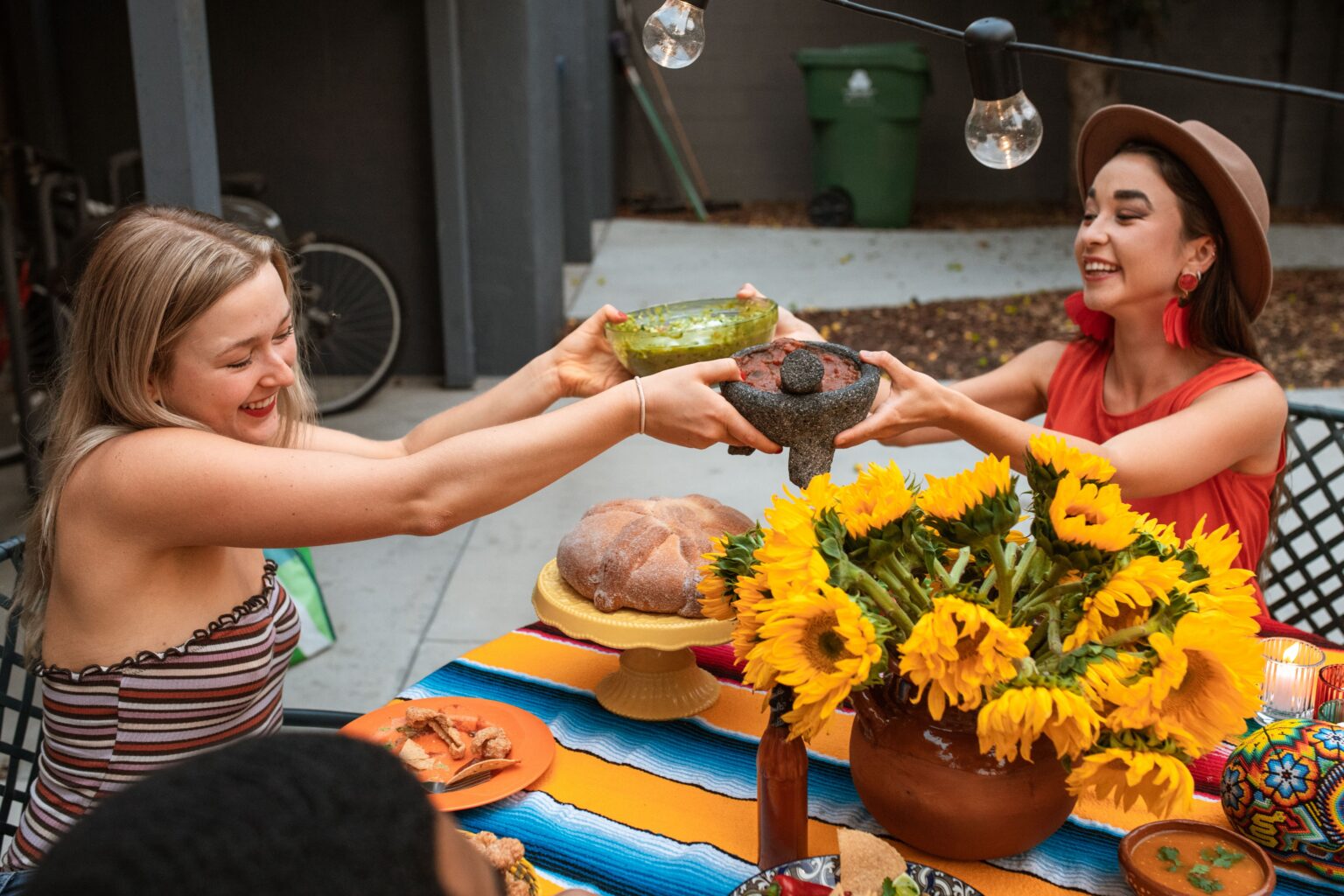
There are forms of healing that cannot be packaged or sold: being listened to without judgment, feeling safe in your own body, sharing food with people who care whether you have eaten, learning from elders, finding community after years of isolation.
These experiences do not replace medical care, therapy, or the resources people may need. But they remind us that healing has always existed beyond the marketplace.
It lives in relationships, in collective care, in the knowledge passed between generations, and in the ordinary conditions that allow a person to feel less alone in the world.
Perhaps this is part of what makes ancestral healing traditions so meaningful. They can remind us that well-being is not solely an individual pursuit. Our lives are interwoven with the lives of others, with the land that sustains us, and with the communities that hold knowledge across time.
To honor that understanding requires more than appreciating the medicine itself. It asks us to consider how we make healing available, whose voices shape the conversation, and whether the benefits of this growing interest reach beyond those already positioned to access them.
At Mama Dose, our interest in plant medicine belongs to a larger inquiry into what it means to live well. That inquiry must include not only what these medicines can offer, but also the conditions under which people encounter them.
If healing is a human need, then access to healing is not a question of who has earned it, who knows how to market it, or who can afford the most exclusive experience.
But rather a question of what we owe one another.