“When you have a mystical, transcendental experience, it is as if your senses heighten to such a degree that the internal experience causes you to become more aware, more awake, and more conscious than any experience you have in your everyday, waking, 3D reality—but it’s not the 3D world that you are awakening to. It’s another entire world beyond the senses. It is as if you are having a full-on sensory experience without your senses.”
— Dr. Joe Dispenza
The term mystical refers to experiences, beliefs, or knowledge that transcend ordinary human perception and logic. They often involve a profound sense of connection to something greater than ourselves, whether that is nature, consciousness, the divine, or simply the mystery of existence itself. Throughout history, humans have been entering these extraordinary states and returning with gems in the form of insights that have shaped philosophy, spirituality, science, art, and culture.
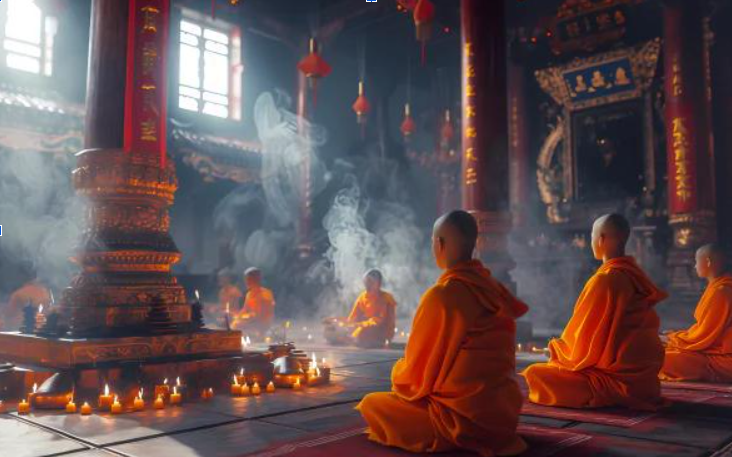
Long before modern psychology, science or the vast array of methods we humans use to attempt making sense of the unknown existed, ancient civilizations intentionally cultivated mystical experiences through meditation, fasting, prayer, pilgrimage, dance, and sacred plant medicines. These moments were rarely dismissed as hallucinations or fantasy. Instead, they were regarded as encounters with deeper truths that could transform the individual and, in turn, benefit the wider community.
Psilocybin mushrooms have become one of the most studied catalysts for these experiences. While they do not guarantee a mystical journey (every time), they have a remarkable ability to quiet the habitual patterns of the mind and temporarily soften the boundaries between ourselves and the world around us. Many people describe feeling as though they are no longer separate from nature, other people, or even life itself.
From a scientific perspective, this is fascinating. Research suggests that psilocybin temporarily reduces activity within the brain’s Default Mode Network (DMN), a network associated with self-referential thinking, rumination, and the construction of our personal identity. As this network becomes less dominant, the rigid sense of “me” often loosens, allowing for a broader, more interconnected experience of reality.
Yet science can only describe how these states may arise. It cannot fully explain what they mean, feel like, or actually are.
This is where philosophy and spirituality enter the conversation.
Across countless wisdom traditions for as far back as we can go, there is a recurring idea that beneath our individual personalities lies a deeper unity that separation is, in many ways, an illusion. Mystical experiences often seem to echo this ancient insight again and again. Whether interpreted as communion with God, the intelligence of nature, universal consciousness, or simply an expanded state of awareness, people consistently return describing the same qualities: overwhelming love, interconnectedness, awe, timelessness, and a deep sense that life is profoundly meaningful.
In my years of experience, one of the most remarkable aspects of mystical experiences is not what is seen during them, but what remains and ripples outwards afterward.
Research has consistently found that the intensity of a mystical-type experience is one of the strongest predictors of lasting positive changes following psilocybin experiences. Participants frequently report increased openness, greater appreciation for life, reduced fear of death, deeper compassion, and lasting improvements in well-being months and sometimes years later.
Of course, not every mystical experience is blissful. Some can be deeply challenging, confronting us with grief, fear, or aspects of ourselves we have long avoided. Yet these experiences often become the very catalyst for healing when approached with care and reverence.
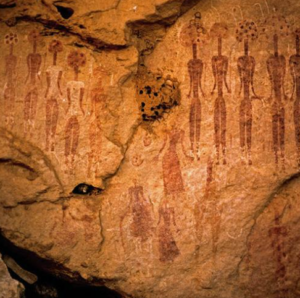
Perhaps mystical experiences change lives because they briefly dissolve the stories we have spent years believing about ourselves. For a moment, we step beyond our roles, our identities, our worries, and our conditioning. We glimpse life through a wider lens, where love feels more accessible, nature feels alive, and our place within the greater web of existence becomes undeniable. We, for a brief period of existence, are allotted a rare interface with the great mystery.
Whether understood through neuroscience, philosophy, spirituality, or sacred mushrooms, mystical experiences continue to invite one timeless question:
What if reality is far richer than we normally perceive, and what becomes possible when we remember that?


Rewards