Table of Contents
Toggle
Safe psilocybin storage has quietly become one of the most important responsibilities in this new chapter of psychedelic medicine.
Every movement reaches a moment where its future is shaped not only by its breakthroughs, but by its mistakes as well.
Psychedelic medicine is no exception.
For decades, researchers, clinicians, and advocates have worked to move psilocybin out of the shadows and into legitimate conversations about healing. Clinical trials continue to show promise, laws are beginning to evolve, and more people are exploring these medicines with intention than ever before. So while we can, it’s important to take note of how fragile progress can be.
In the world we find ourselves in today, headlines can (and do) shape public opinion just as much (if not more) as the research.
Recently, thirteen children attending a New Jersey summer camp became ill after consuming mushroom-infused candy that another child had reportedly brought from home. Investigators believe the products originated from a family member and were mistaken for ordinary treats. Thankfully, everyone involved recovered. But the incident is an important reminder that accidents don’t always happen because someone acted recklessly. Often, they happen because a product wasn’t stored securely, wasn’t clearly labeled, or simply looked like an ordinary snack. As psilocybin becomes available in an array of different forms, the way we store these products becomes just as important as how we choose to use them.
History has shown us that the stories a society tells about a substance often become more influential than the substance itself. For decades, headlines about psychedelics focused on fear, sensationalism, and isolated incidents, while powerful stories of healing and scientific inquiry rarely received the same attention. Those early narratives played a massive part in shaping public perception for generations, influencing policy, research funding, and cultural attitudes long after the headlines faded. Even today, many people’s first impressions of psilocybin are rooted not in modern clinical research, but in decades-old myths and media portrayals.
As psychedelic medicine enters a new chapter, we’re not simply changing laws or expanding research, we are rewriting a cultural narrative. That means every story matters. Groundbreaking studies can inspire hope, but preventable accidents can just as easily reinforce the misconceptions the movement has spent years trying to overcome. While one incident should never define an entire field of medicine, repeated moments of carelessness or accidents in general can become the stories people remember most.
Within the psychedelic community, we often talk about preparation, intention, and integration. But responsible use doesn’t end when the experience is over.
It also means thinking about what happens after.
How we store our medicine. How we label it. And how we protect the people around us from accidental exposure.
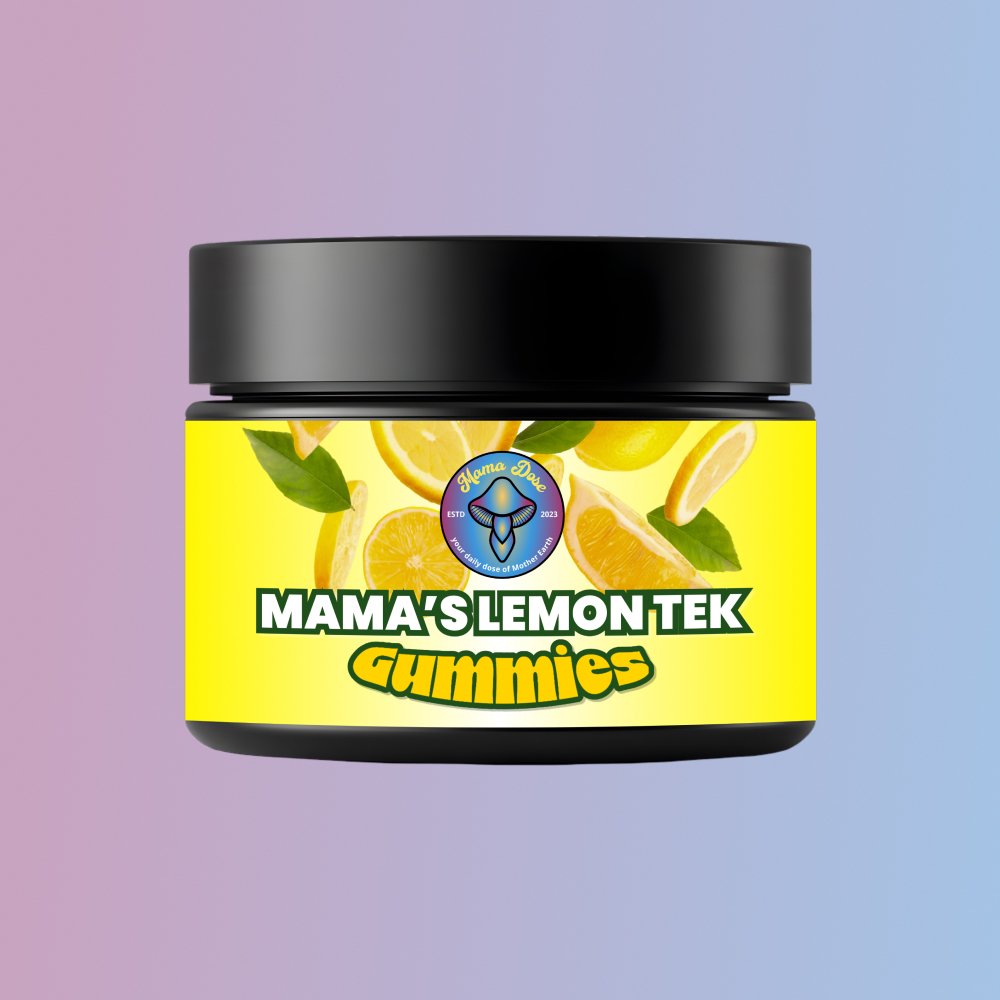
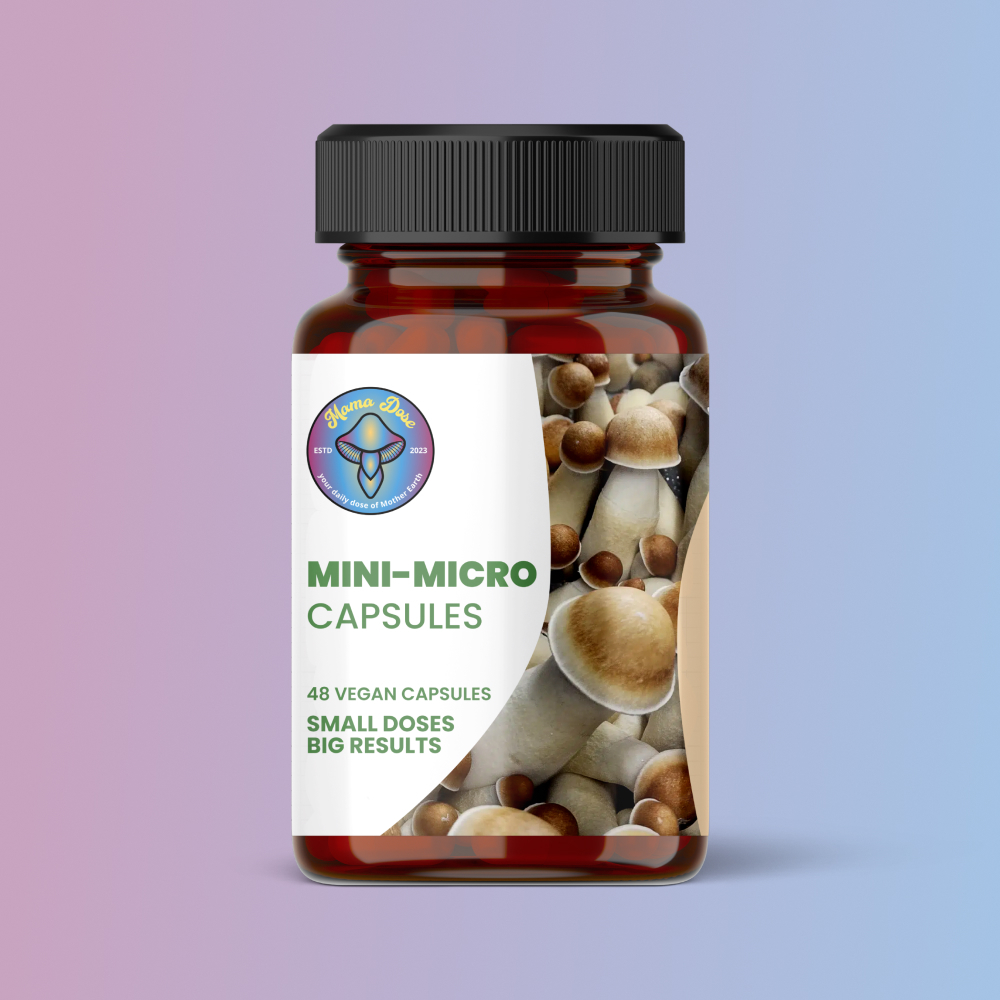
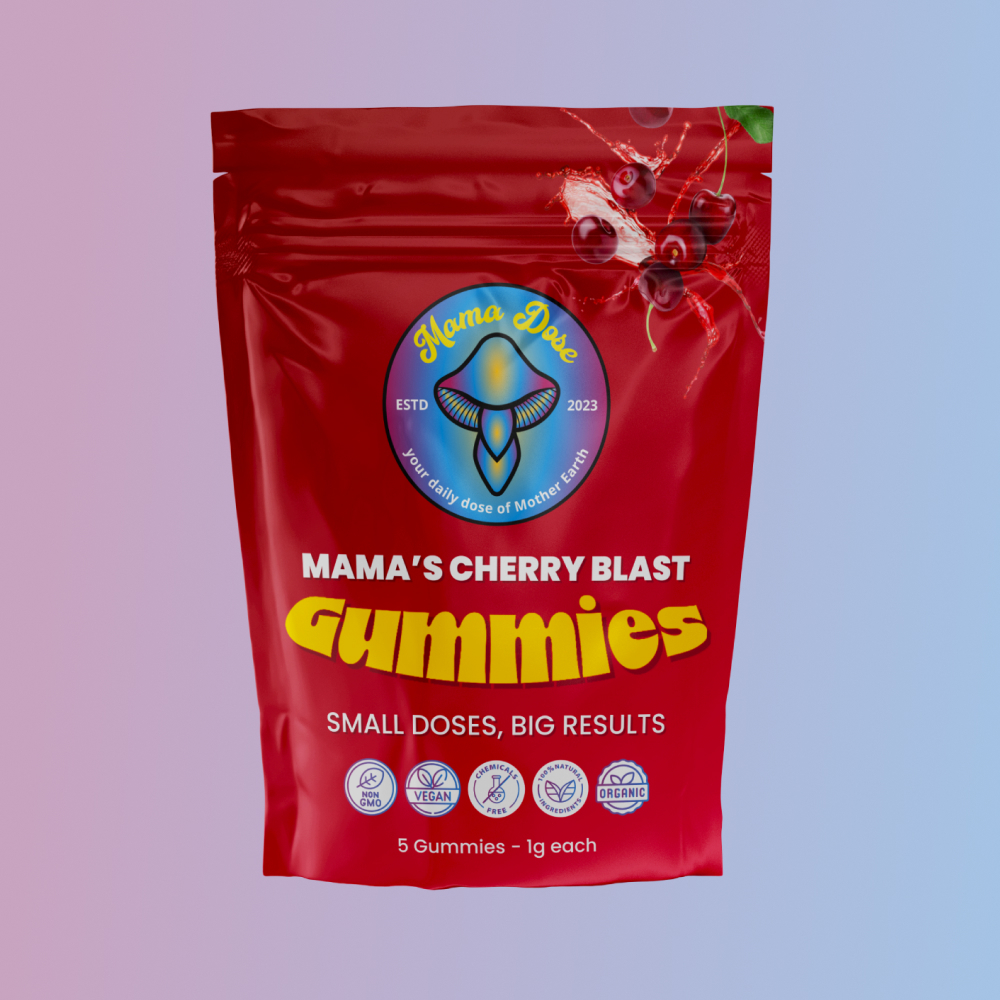
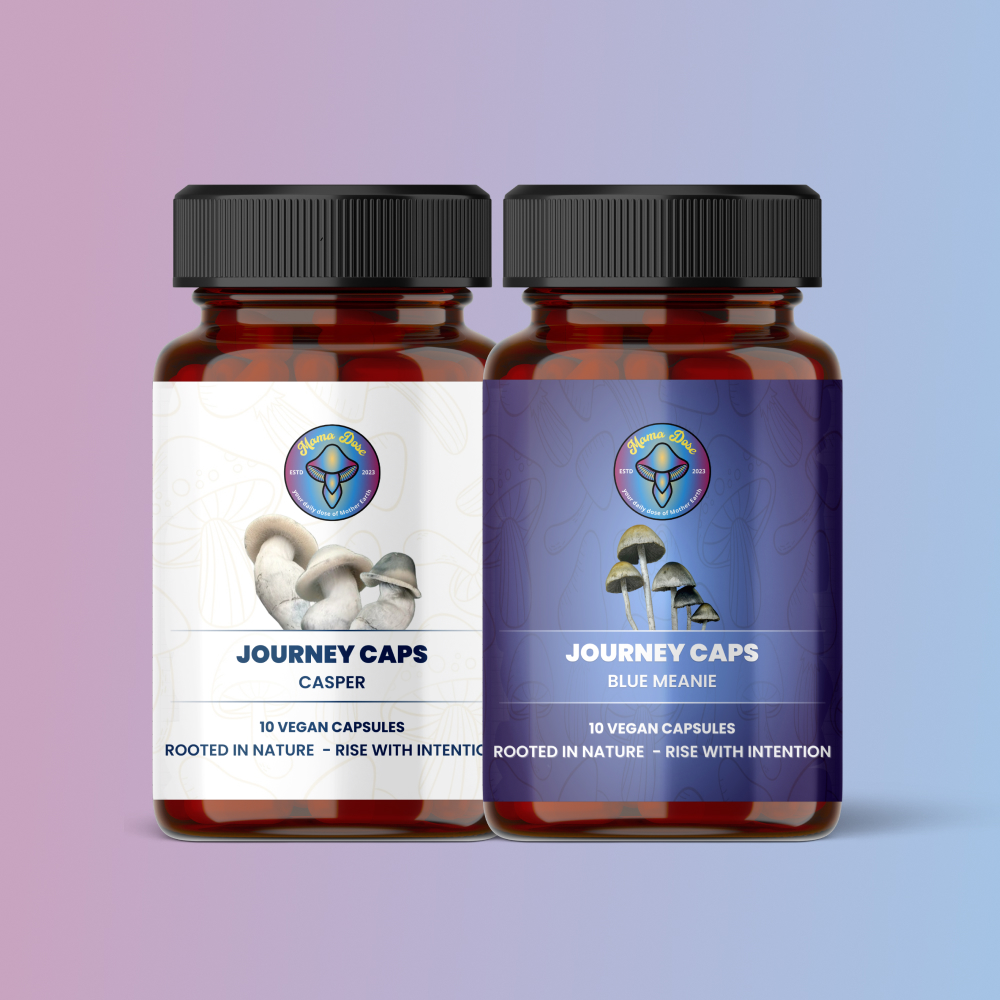
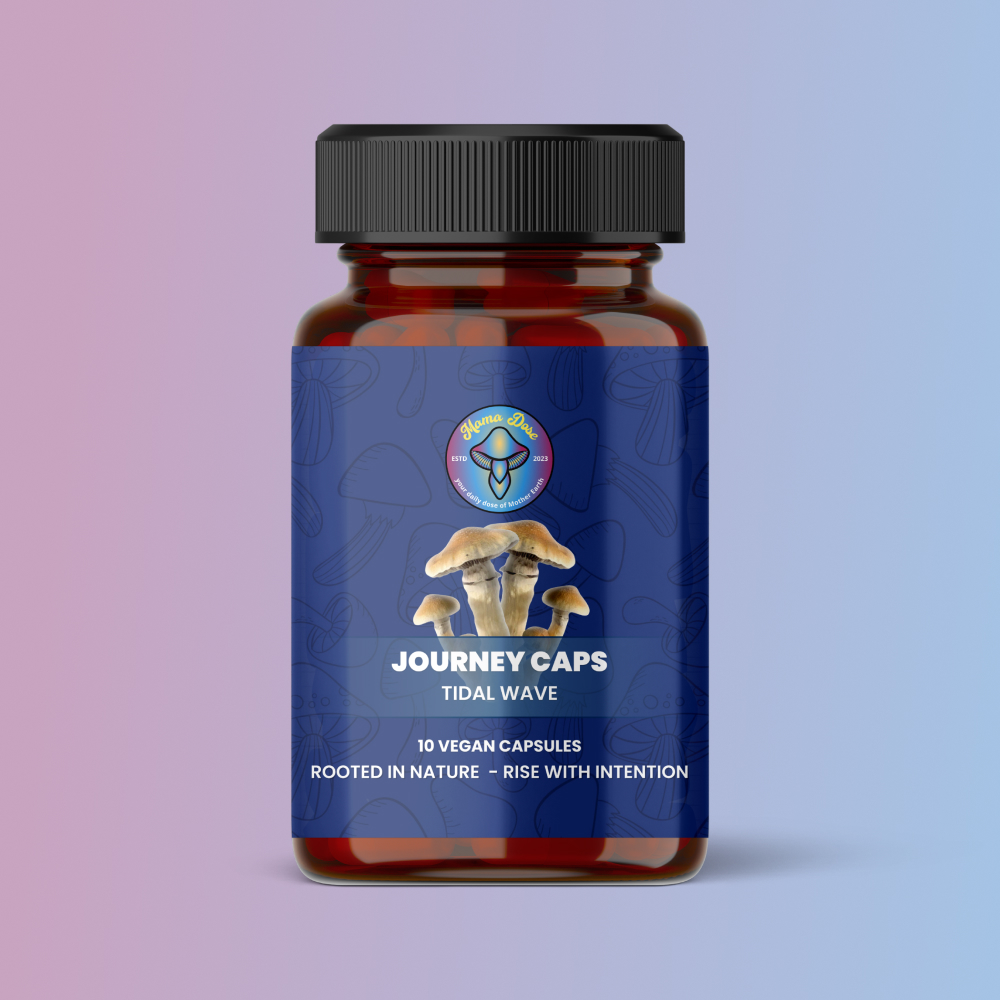
If you’re part of the Mamadose community you already know psilocybin products don’t always look like medicine. Chocolates, gummies, capsules, honey, and other infused products can easily be mistaken for everyday snacks. By children, guests, roommates, pets or anyone unfamiliar with what’s inside.
That’s why safe psilocybin storage isn’t simply a household precaution. It’s part of being a responsible steward of these medicines.
Fret not! Preventing accidents doesn’t require complicated systems, just a few intentional habits:
Store psilocybin products in a locked cabinet, lockbox, or another secure location out of sight and out of reach.
Keep products in their original packaging whenever possible.
Clearly label medicinal chocolates, gummies, capsules, or other infused products.
Never store psilocybin products alongside regular snacks or candy.
If you share your home, make sure trusted adults know what the products are and where they are stored.
These simple practices help protect children, family members, roommates, guests, and even pets from accidental ingestion.
Every preventable accident avoided is more than one family kept safe.
It’s one less headline reinforcing outdated fears about psychedelic medicine.
As access to psilocybin continues to expand, each of us plays a role in shaping how these medicines are perceived. Responsible storage may seem like a small act, but it’s one of the simplest ways we can protect both the people we love and the future of the psychedelic movement.
The future of psychedelic medicine won’t be determined solely by lawmakers, researchers, or clinicians.
It will be shaped by thousands of ordinary decisions made inside the privacy of our homes.
How we talk about these medicines.
How we respect them.
How we protect others from accidental exposure.
The choices we make today become the stories that define tomorrow.
It feels powerful to play a small but mighty part in making sure they’re stories that move the movement forward.
This article is intended for educational purposes only and is not a substitute for professional advice. If you or someone you know has accidentally ingested psilocybin or is experiencing an adverse reaction, contact poison control or seek medical attention immediately. Poison Control: 1-800-222-1222.
Rewards
Invite your friends and earn a discount on your next purchase. Your friend also earns a discount! Get started now, by sharing your referral link with your friends.
This item is currently out of stock!
By adding it to your cart, you confirm a backorder purchase, and we will ship it as soon as it becomes available.